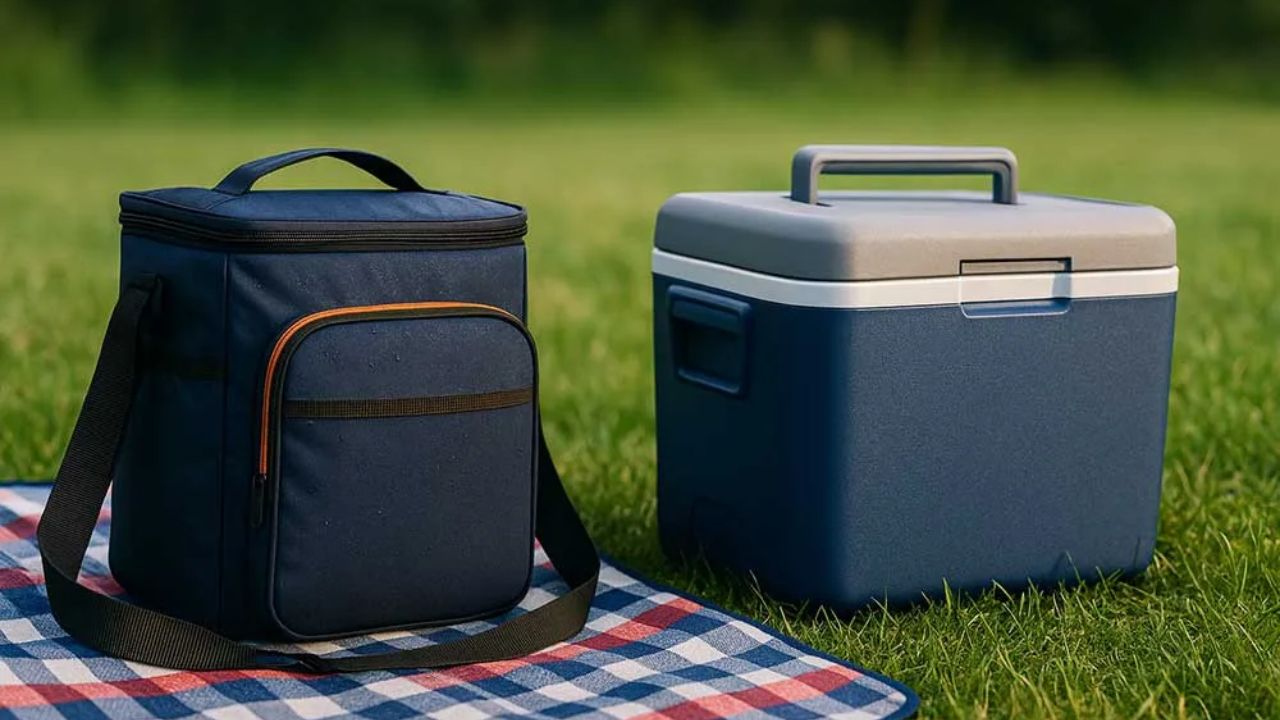
Coolers are necessary to maintain the coldness of food and beverages during outdoor activities. These wholesale coolers are extensively used for camping, picnics, road trips, beach outings, and sports events. There are two main categories in the market, which include hard and soft coolers. All types have their advantages and disadvantages, and the selection of one or another type is based on the requirements of a user, his or her budget, and style of use. Knowing how the two choices operate assists individuals in making superior purchasing choices and having an extra comfortable time outdoors.
What is a Hard Cooler?
A hard cooler is a hard, tough plastic or other such strong and rigid container. It is normally insulated on the inside, and this prolongs the frozen time of the ice. Hard coolers are made to be used extensively and can withstand harsh outdoor environments. They are of various sizes, such as small personal boxes and huge ones that are used in group visits. Due to their robust structure, hard coolers are commonly applied in long camping, fishing, and traveling, where the cooling capacity of the coolers is of great significance.
What Is a Soft Cooler?
A soft cooler is constructed using soft material, such as fabric with insulation layers in it. It is portable and can be easily carried around. This is suitable for short journeys and everyday use. Soft coolers are typically made in the form of a bag. It contains handle or shoulder straps. They are handy to carry snacks, drinks, or lunch. Although they do not freeze ice as long as hard coolers, they come in quite handy in those cases when portability is more important than long cooling time.
Cooling Performance Comparison
Hard coolers are normally more effective when it comes to cooling performance. Their dense insulation and tight sealing make the ice frozen for up to several days in certain instances. This renders them ideal in lengthy outdoor excursions where there is restricted availability of fresh ice. Instead, soft coolers typically preserve items at a colder temperature, typically for a few hours to a day. They are more suitable for brief field trips where meals and beverages will be consumed in a short period of time. The decision will vary depending on the duration of cooling.
Durability and Strength
Hard coolers are constructed to be durable. They are hard to hit, pull around, and withstand weather conditions such as heat and dust. This makes them a good option to use in the long-term. The soft coolers are less durable since they are crafted out of fabrics. Although they are capable of normal use, they might become worn out easily when used in harsh conditions. Hard coolers tend to be superior to users who require a strong and long-lasting cooler.
Storage Capacity and Usage
Hard coolers have a bigger storage capacity and can store more food and beverages. They are applicable in group tours, family outings, and long-distance tours. Other models are made to hold ice longer and are therefore applicable to multi-day adventures. Soft coolers tend to be smaller with smaller capacity and are suitable for personal use or small groups. They are also suitable when transporting lunch, a couple of beverages, or snacks as opposed to huge supplies.
Portability and Convenience
Soft coolers are easier to transport as they are lightweight and can be flexible. They can be folded or stored easily when not in use, and hence, a good option for those who travel lightly. Hard coolers are larger and heavier, especially when they are larger in size. But lots of hard coolers now have wheels and handles so that they are easier to carry. In spite of these characteristics, there remains a winner in soft coolers in terms of convenience for short and easy travels.
Which One Should You Choose?
Which one to select depends on the lifestyle and needs of the user. A hard cooler is a good choice when a person requires a high level of insulation, huge storage, and high durability. When they would like to take lightweight, easy-to-carry solutions during short trips, then a soft cooler would be appropriate. The two types have different applications, and a number of individuals opt to have both depending on the different circumstances.
Conclusion
There are certain advantages of hard coolers and soft coolers. Hard coolers are robust, durable, and ideal on long outdoor trips, whereas soft coolers are light, portable, and ideal on short-term trips. Knowing their differences will assist the users in choosing the appropriate cooler to use on each occasion. When making the right food choices, individuals will be able to have fresh food and cold drinks anywhere they are, and this will make outdoor activities more comfortable and enjoyable.